February 2, 2026
A master arborist plays a critical role in maintaining the health, safety, and longevity of trees in both natural and urban environments. Their work extends well beyond routine trimming or removal, focusing on accurate evaluation and long-term tree stability. Through advanced training and field experience, a master arborist identifies underlying issues that may not be obvious to property owners or visible at first glance.
This article explores how a master arborist diagnoses tree problems with precision and consistency. It examines education, experience, inspection techniques, and diagnostic processes that guide informed tree care decisions. By understanding these methods, property owners can better appreciate the value of professional tree assessments.
Understanding the Role of a Master Arborist
Educational Background and Certification
Becoming a master arborist typically begins with formal education in forestry, horticulture, or a related discipline. Professional certifications establish standardized knowledge in tree biology, risk assessment, and care practices. These certification programs require testing and ongoing education, reinforcing professional accountability and technical competency over time.
This educational foundation allows a master arborist to evaluate tree health using recognized industry standards rather than assumptions. It also supports consistency in diagnosis across different environments and tree species. As a result, recommendations are grounded in established science rather than guesswork.
Skills and Expertise
The diagnostic accuracy of a master arborist depends on a broad skill set that combines botanical knowledge with observational and analytical abilities. Correctly identifying tree species, recognizing growth patterns, and detecting subtle signs of decline are essential skills developed through training and experience. Knowledge of soil science and plant physiology further supports accurate interpretation of symptoms.
As demand for professional tree care continues to grow, these skills have become increasingly valuable across residential and commercial settings. According to IBISWorld, the market size of the tree trimming services industry in the United States is $39.5 billion in 2025, reflecting the scale and importance of qualified arboricultural expertise. This growth places greater emphasis on accurate diagnosis and responsible care.
Professional Experience
Hands-on experience strengthens diagnostic accuracy over time. A master arborist often spends years working across residential, commercial, and municipal environments, encountering a wide range of tree health conditions. This exposure builds familiarity with both common issues and rare or emerging problems.
Practical experience allows a master arborist to recognize patterns and respond efficiently to complex tree concerns. Past cases inform present decisions and reduce uncertainty during evaluations. Over time, experience supports faster, more confident assessments.
Tools and Technology
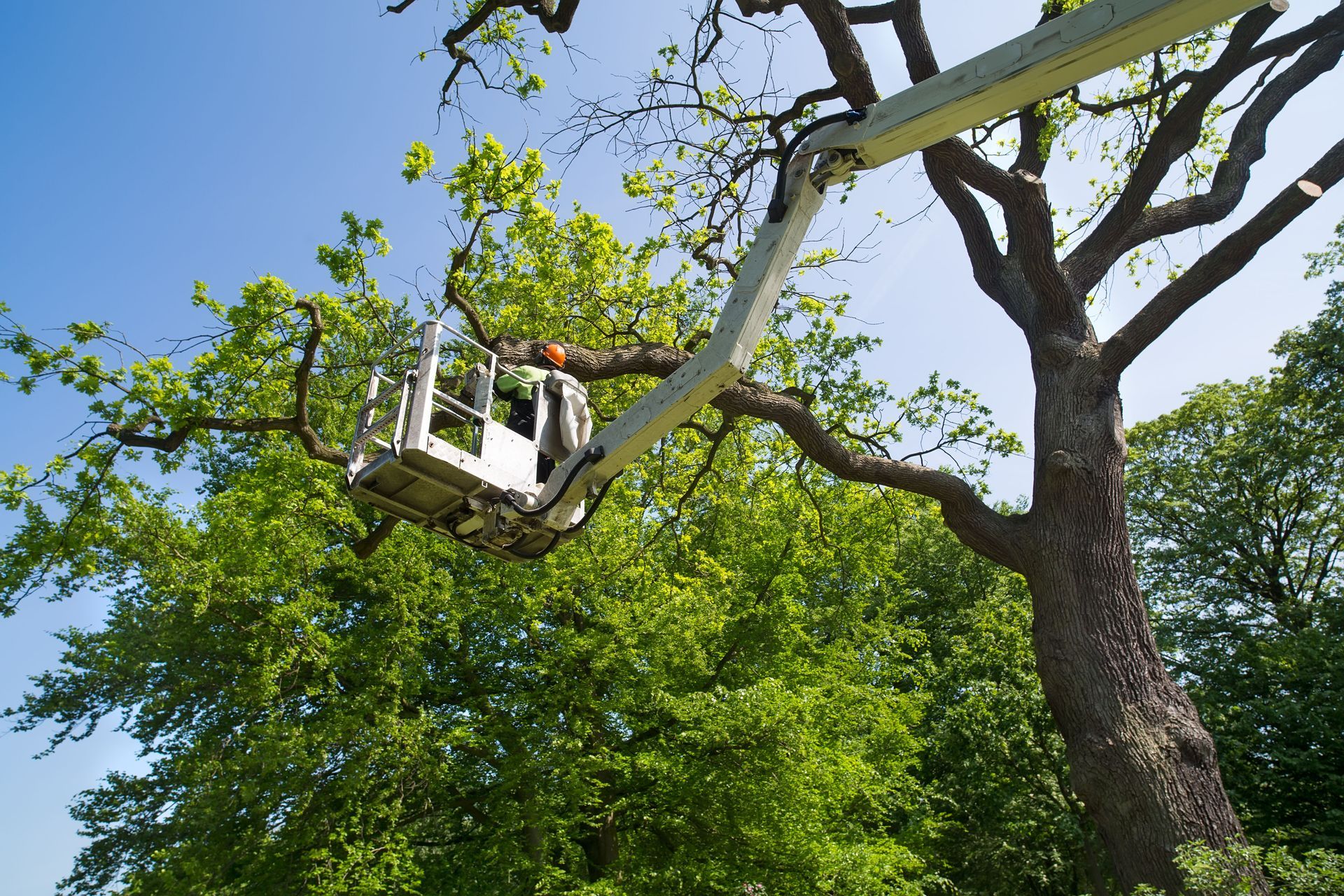
Modern arboriculture relies on specialized tools that support accurate diagnosis and documentation. A master arborist may use resistographs, increment borers, and aerial inspection tools to assess internal structure and canopy health. Digital software assists with recordkeeping, mapping, and long-term monitoring.
These tools expand diagnostic insight while minimizing unnecessary disruption to trees. Technology also improves consistency across inspections and supports evidence-based recommendations. When combined with professional judgment, these tools enhance reliability.
Continuous Learning and Development
Ongoing education is essential as tree health challenges evolve due to climate change, invasive species, and development pressures. A master arborist stays current through workshops, professional publications, and industry collaboration. Continued learning allows arborists to adjust techniques and recommendations as conditions change.
Continuous learning supports adaptability and long-term diagnostic accuracy. It also reinforces ethical responsibility by promoting updated practices. This commitment benefits both trees and property owners.
Visual Inspection Techniques
Identifying Visible Symptoms
Visual inspection is the first step in diagnosis for any master arborist. Changes in leaf color, size, density, or timing of leaf drop often signal stress or imbalance. Trained observation helps distinguish normal seasonal changes from indicators of disease or environmental issues.
Early detection allows arborists to narrow potential causes quickly. It also guides targeted testing and further evaluation. This step establishes the foundation for accurate diagnosis.
Bark and Trunk Analysis
The trunk and bark provide valuable insight into internal health and structural stability. A master arborist looks for cracks, fungal growth, insect entry points, sap flow, and deformities. These indicators may reflect decay, mechanical damage, or long-term stress.
Trunk analysis helps determine whether issues are localized or systemic. It also informs safety considerations related to failure risk. Careful inspection supports appropriate next steps.
Observing Tree Growth Patterns
Growth patterns reflect a tree’s health history and environmental conditions. A master arborist evaluates uneven canopy development, leaning growth, and abnormal branching. These observations may point to root disturbance, nutrient limitations, or structural imbalance.
Understanding growth trends supports effective corrective planning. It also helps predict future performance and risk. Growth analysis adds historical context to current symptoms.
Assessing Surrounding Environment
Environmental conditions play a major role in tree health and longevity. A master arborist evaluates soil quality, drainage, nearby construction, pollution exposure, and root zone disruption. Human activity is often a contributing factor to decline.
This contextual analysis strengthens diagnostic accuracy. It also supports realistic recommendations based on site conditions. Environmental assessment prevents misdiagnosis.
Soil and Root Health Examination
Soil Testing Methods
Soil health directly influences tree vitality and resilience. A master arborist conducts soil testing to evaluate pH, nutrient availability, and composition. These results help identify deficiencies or imbalances affecting growth.
Soil testing is especially useful when symptoms lack an obvious cause. It supports targeted soil management strategies. Proper interpretation leads to informed recommendations.
Root System Inspection
Roots are central to tree stability and nutrient uptake. A master arborist may use air excavation to expose roots without causing damage. Inspections reveal decay, girdling roots, or restricted growth patterns.
Root assessments often uncover problems hidden below the surface. They also explain symptoms visible above ground. This step is critical for long-term care planning.
Understanding Soil Compaction
Compacted soil restricts oxygen and water movement needed for root development. A master arborist identifies compaction caused by traffic or construction activity. Measurements help determine severity.
Addressing compaction supports healthier root development. It also improves nutrient uptake and drainage. Corrective measures reduce ongoing stress.
Assessing Water Drainage
Poor drainage can lead to root disease and structural instability. A master arborist evaluates drainage patterns and soil saturation levels. Standing water often signals deeper issues.
Correcting drainage issues improves long-term tree performance. It also reduces disease risk. Drainage assessment supports sustainable site management.
Diagnosis of Pests and Diseases
Common Tree Pests Identification
A master arborist is trained to identify pest damage early. Signs such as chewed foliage, boreholes, and residue help pinpoint infestations. Early identification limits spread.
Prompt action reduces long-term damage. It also protects surrounding vegetation. Pest recognition is a core diagnostic skill.
Disease Symptoms Recognition
Diseases present through leaf spots, cankers, and dieback. A master arborist distinguishes between fungal, bacterial, and environmental causes. Observation and testing support accuracy.
Accurate identification prevents ineffective treatments. It also reduces unnecessary intervention. Disease recognition protects tree health.
Assessment of Pest and Disease Lifecycle
Understanding lifecycles allows a master arborist to time interventions effectively. Targeted timing improves results and limits environmental impact. Lifecycle awareness supports strategic planning.
This approach supports proactive management. It also improves treatment efficiency. Lifecycle analysis strengthens outcomes.
Treatment Recommendations
Treatment plans developed by a master arborist consider species, severity, and environmental conditions. Recommendations may include pruning, soil adjustments, or targeted treatments. Each plan is tailored.
Clear communication helps align expectations. It also supports informed decisions. Treatment planning is outcome-focused.
Use of Support Systems
Cabling and bracing may be recommended by a master arborist when structural weaknesses exist. These systems redistribute stress. Installation follows careful assessment.
Support systems extend the functional life of trees. They also reduce risk. Proper design supports growth.
A master arborist diagnoses tree problems through education, experience, observation, and technology. This methodical approach addresses biological, structural, and environmental influences. Accurate diagnosis supports effective care.
As challenges evolve, the role of the master arborist remains essential. Professional evaluation preserves safety, health, and resilience. Trees benefit from informed management. Call Greentree today to schedule your service.