April 14, 2026
Trees add immense beauty, shade, and ecological value to any property, but they can also become significant liabilities when they develop diseases, suffer structural damage, or begin leaning dangerously toward homes, power lines, or public walkways. When a specimen becomes a threat, property owners must take immediate action to mitigate the risk of property damage or personal injury. Handling a compromised trunk or canopy is not a task for an enthusiastic homeowner with a chainsaw, as the unpredictable nature of falling wood and immense weight requires specialized knowledge and equipment. According to Allstate, once-a-year tree trimming may help keep your yard beautiful and safe for years to come. However, when preventative maintenance is no longer enough and a specimen presents an imminent hazard, bringing in a professional tree removal service becomes an absolute necessity. These professionals possess the training, experience, and heavy machinery required to address complex, precarious situations safely and efficiently. Understanding how these experts approach dangerous scenarios can provide property owners with complete peace of mind.
Assessing the Situation Carefully
When a specialized tree removal service arrives to address a leaning or hazardous specimen, the initial phase focuses entirely on comprehensive evaluation and risk management. Experts do not simply begin cutting; they conduct a thorough visual inspection to understand the specific dynamics of the hazard. They look for signs of internal rot, root decay, soil upheaval, and structural cracking that might dictate how the wood will behave once cutting begins. The angle of the lean, the distribution of canopy weight, and the proximity to permanent structures or utility lines are meticulously analyzed. The arborists must calculate the center of gravity and determine the natural fall path, factoring in external variables like wind patterns and soil saturation. This diagnostic phase dictates the entire strategy. If the trunk is hollow or compromised by disease, professionals might need to employ advanced rigging techniques or aerial lifts rather than relying on traditional climbing methods. Furthermore, evaluating the surrounding terrain is crucial for determining where heavy equipment can be safely stationed without causing unnecessary damage to the landscape. This intensive planning ensures that every subsequent action prioritizes the safety of the crew, the homeowners, and the physical property throughout the duration of the project.
Securing the Environment Comprehensively
Once the diagnostic evaluation is complete, the focus shifts to establishing a highly controlled work zone. A reputable tree removal service takes extensive precautions to secure the environment before any cutting equipment is activated. This involves creating a designated drop zone where branches and trunk sections can be lowered without striking roofs, vehicles, fences, or delicate landscaping features. Professionals often place protective matting over lawns and sensitive root zones to distribute the weight of heavy machinery and debris, preventing turf damage. Communication protocols are established among the crew, ensuring everyone on the ground is aware of the activities overhead. Visual barriers or warning cones may be erected to keep pedestrians, pets, and unauthorized individuals safely outside the operational perimeter. Additionally, if the hazardous specimen is entangled with electrical utility lines, the crew must coordinate with utility providers to temporarily neutralize the grid or employ specialized, electrically insulated tools to prevent catastrophic accidents. The meticulous preparation of the physical workspace highlights an absolute commitment to safety. By completely controlling the surrounding variables, the team neutralizes secondary risks, allowing them to concentrate entirely on dismantling the compromised structure safely and efficiently.
Dismantling the Tree Methodically
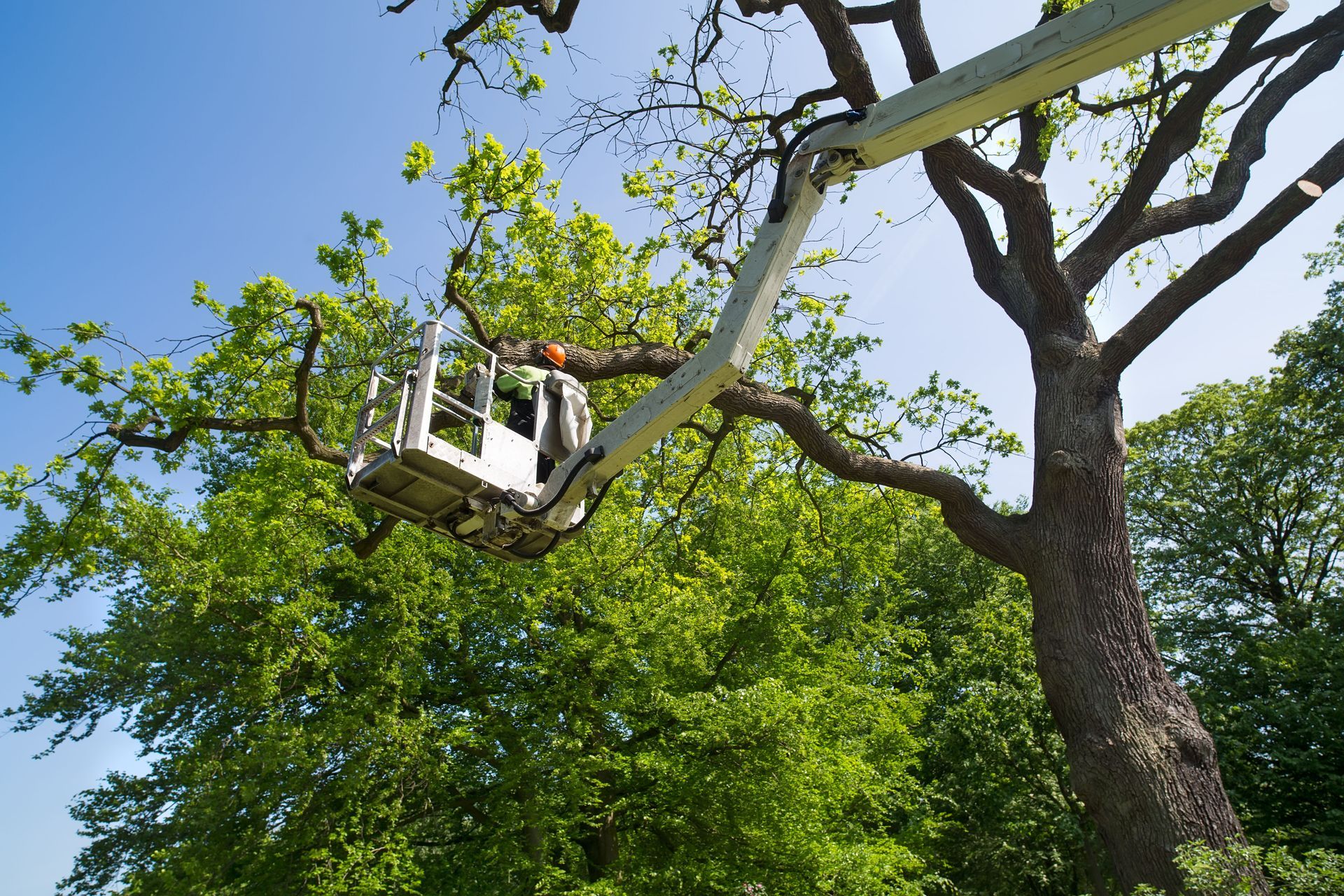
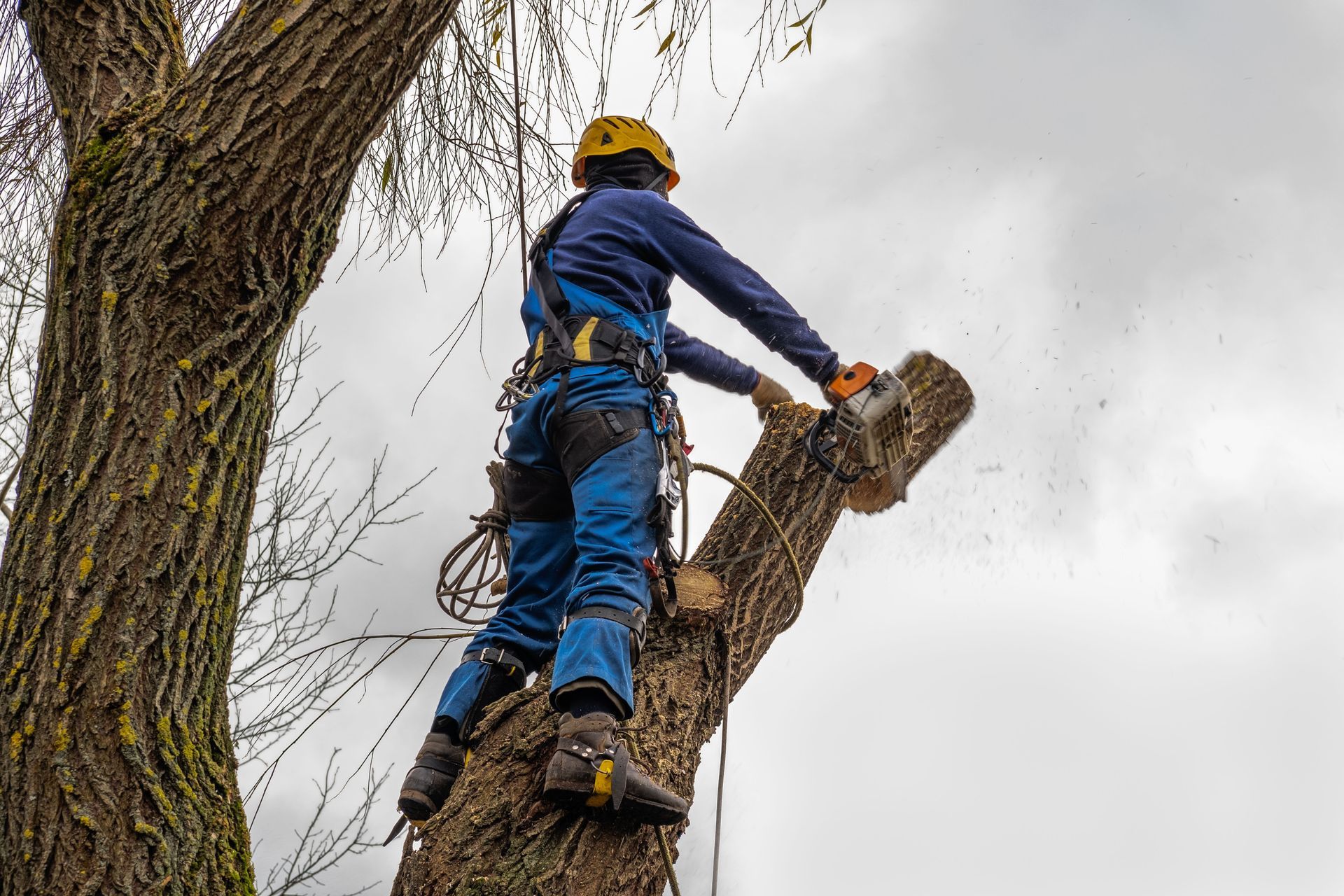
The actual physical breakdown of a dangerous or leaning specimen is an exercise in applied physics, requiring immense precision, controlled strength, and unwavering focus. The crew executes the predetermined strategy, typically beginning with the systematic removal of the canopy. Climbers or technicians in aerial lifts carefully sever individual branches, utilizing complex rope and pulley rigging systems to lower heavy limbs to the ground in a controlled manner. This prevents massive pieces of wood from free-falling, which could easily crush underlying structures or cause unpredictable bounces that endanger the ground crew. As the canopy is reduced, technicians begin working their way down the main trunk, removing it in manageable sections. Each cut is calculated to control the direction and momentum of the falling wood. For severely compromised trunks that cannot support conventional rigging, a professional tree removal service might deploy a crane. The crane operator suspends the entire section from above while the cutter makes the final severing slice, allowing the crane to gently lift and transport the weight directly to the processing zone. This method completely eliminates the risks associated with gravity-driven felling, offering unparalleled control over the dismantling process. Coordination between the cutter and operators must be flawless to execute this intricate aerial ballet.
Processing the Debris Efficiently
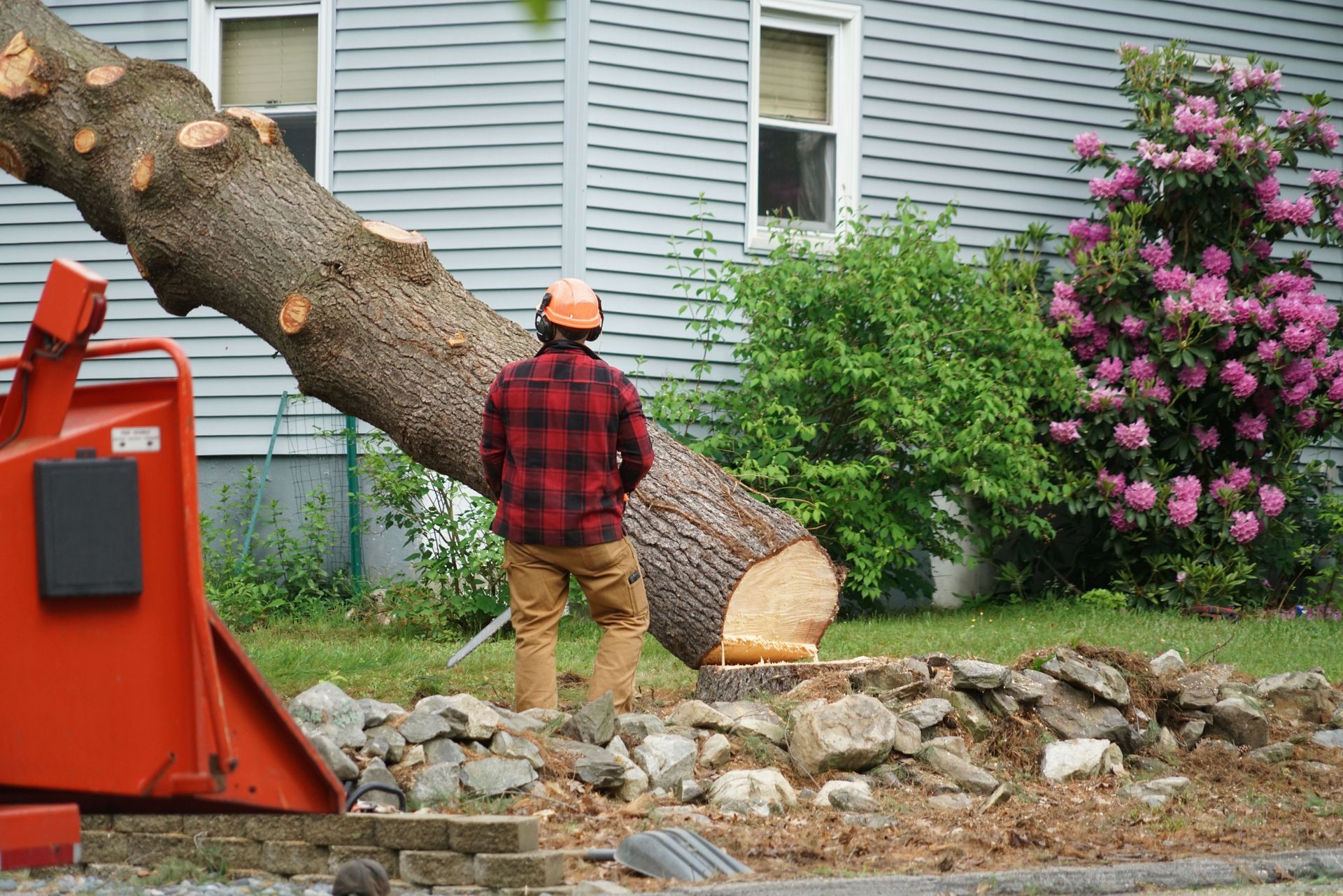
As sections of wood and brush are continuously lowered to the designated drop zone, the ground crew operates in tandem with the aerial team to immediately process the resulting debris. A competent tree removal service understands that leaving a massive pile of unmanaged organic material presents its own set of hazards and inconveniences. Therefore, brush chippers are strategically positioned to rapidly convert smaller branches, leaves, and twigs into manageable, nutrient-rich mulch. Larger, heavier trunk sections that cannot be chipped are systematically cut into firewood lengths or loaded directly onto heavy-duty haulers for transportation off the property. The processing phase requires heavy physical labor and constant vigilance, as the ground crew must navigate a dynamic workspace filled with sharp tools, deafening machinery, and massive objects. Throughout this phase, the team maintains a steady rhythm, ensuring the work area remains as clear as possible to facilitate the ongoing dismantling happening above. By continuously clearing the drop zone, the crew prevents the dangerous accumulation of tripping hazards and maintains clear, unobstructed escape routes. This efficient, continuous processing workflow guarantees that the property does not resemble a chaotic disaster zone, but rather a highly organized industrial worksite managed by dedicated professionals.
Restoring the Landscape Meticulously
The final phase of addressing a hazardous or leaning specimen extends far beyond the final cut and the removal of heavy timber. True professionals are dedicated to leaving the property in pristine condition, minimizing the visual and physical impact of the intensive operation that just occurred. The cleanup process involves meticulously raking the lawn to collect lingering twigs, stray leaves, and the layer of sawdust that inevitably blankets the immediate area. Specialized machinery or hand tools are used to smooth over any minor depressions or scuffs in the earth caused by the staging of heavy sections of trunk. Furthermore, the property owner is usually presented with options regarding the remaining stump. While standard felling leaves the base intact, comprehensive solutions often involve grinding the stump well below the surface level of the soil, allowing the homeowner to plant fresh grass or install new landscaping features without obstruction. A dedicated tree removal service takes immense pride in this restoration phase, recognizing that the job is not truly complete until the landscape looks as though the hazard simply vanished. This commitment to thoroughness transforms a highly disruptive event into a seamless, satisfying experience, returning the yard to a fully functional state.
Dealing with a structurally compromised arboreal hazard is a stressful situation for any property owner, but relying on experienced professionals transforms a dangerous liability into a safely managed project. The intricate combination of careful assessment, secure site preparation, methodical dismantling, and thorough cleanup ensures that the risk is neutralized without causing collateral damage to your home or landscape. When you entrust these complex tasks to seasoned experts, you are investing in the safety of your family and the long-term integrity of your property. If you suspect that a specimen on your land poses a threat due to disease, storm damage, or an unnatural lean, do not wait for gravity or harsh weather to force the issue. Protect your home and restore your peace of mind by acting proactively. Call Greentree today to learn more about how a professional tree removal service can safely and efficiently resolve your landscaping hazards.