June 12, 2026
Maintaining healthy trees is crucial for environmental sustainability and the aesthetic value they bring to landscapes. Trees not only enhance the visual appeal of an area but also contribute significantly to the ecosystem by providing shelter and oxygen. However, dealing with trees that fall ill due to various diseases is a challenge that needs careful consideration. The decision to either save or remove a diseased tree involves understanding the nature of the disease, the tree's condition, and the potential impact on the environment. This comprehensive guide aims to explore various factors and considerations involved in making informed decisions about handling diseased trees.
Tree Diseases
Tree diseases come in various forms, often caused by fungi, bacteria, or environmental stressors. Dutch elm disease and oak wilt are among the most prevalent diseases affecting trees. Dutch elm disease has devastated elm populations across the world, transmitted by beetles and through root grafts. Oak wilt is another serious disease that disrupts the water-conducting system of oaks, often leading to their decline and death. Understanding these and other common tree diseases is essential for detecting early signs and taking necessary actions to mitigate their impact.
Identifying tree diseases requires familiarity with both visible and hidden signs. Symptoms may include discolored leaves, lesions on the bark, and premature leaf drop. Additionally, root rot and cankers could indicate disease presence, requiring close examination of the tree's base and branches. It is crucial to note that some signs can be mistaken for seasonal changes or natural aging, thus professional evaluation is often recommended. Detecting these symptoms early can increase the likelihood of successful treatment and recovery of the tree.
Tree diseases result from a variety of environmental and biological factors. Poor soil conditions, pollution, and climate change significantly contribute to tree susceptibility to diseases. Other factors include overcrowded planting, which limits air circulation and promotes disease spread. Additionally, certain tree species may inherently be more vulnerable to specific pathogens due to genetic factors. Understanding these risk factors enables better preventive measures and early intervention strategies to preserve tree health.
Determining whether a tree is diseased and assessing the extent of any damage is not always straightforward. Professional arborists have the expertise to accurately diagnose tree diseases and suggest appropriate interventions. Consulting a local arborist becomes crucial when symptoms are severe or when a significant portion of the tree appears affected. According to Today's Homeowner, a tree that's more than 50% decayed or damaged should most likely be removed to prevent safety hazards. Arborists can also advise on the potential risks to other nearby trees and recommend management strategies to limit disease spread.
Tree Health and Stability
Assessing the structural integrity of a diseased tree is vital to understanding its stability. A local arborist will use techniques such as sounding, resistograph tests, and visual inspections to evaluate the extent of decay and its impact. A tree with significant structural damage poses a risk to people and property nearby. Immediate action may involve support systems like cabling or, in severe cases, removal may be the only viable option. Accurate assessment helps in making informed decisions that prioritize safety while considering the preservation of the tree where possible.
A diseased tree can significantly impact its surrounding ecosystem. It may serve as a source of pathogens that could potentially spread to healthy trees in the vicinity. Furthermore, the tree's decomposition process might temporarily affect soil nutrients and disrupt the habitat of local wildlife. Nevertheless, certain decayed trees can provide critical habitats for species such as birds and insects, hence removing them could also have negative ecological impacts. Balancing ecological considerations with safety and aesthetic concerns is crucial in the decision-making process.
Projecting a diseased tree's life expectancy helps determine the feasibility of investing in treatment. Factors including the severity of the disease, environmental conditions, and the tree's species contribute to its potential recovery. Trees on the verge of dying are unlikely candidates for extensive treatment as the costs may outweigh the benefits. Generally, arborists consider a tree's structural stability and health indicators to provide realistic projections of its longevity. An informed projection aids in determining the most appropriate course of action, whether preservation or removal.
The historical and aesthetic significance of a tree can influence the decision to save or remove it. Trees that are culturally significant or contribute significantly to a landscape's beauty are often preserved. In some cases, historical trees have witnessed local historical events, adding intrinsic value to their existence. However, such trees are not immune to disease, and their preservation may require extensive and costly efforts. Balancing these values with practical considerations can guide effective decision-making strategies.
Diseased Tree Treatment
Chemical treatments represent a common approach to battling tree diseases. Fungicides, insecticides, and bactericides can be applied to control specific pathogens or pests. It is crucial to diagnose the disease accurately before selecting a chemical treatment to avoid harming the tree further. Using chemicals responsibly, with consideration for environmental impact, helps ensure successful treatment outcomes and protects surrounding flora and fauna. When applied correctly, chemical treatments can effectively eradicate diseases and restore tree health.
Physical interventions like pruning, bracing, and cabling can support a diseased tree's health and stability. Pruning removes infected or dead branches, minimizing disease spread and encouraging new growth. Structural supports such as bracing and cabling can prevent limb breaks and enhance tree stability, vital for structurally compromised trees. These techniques require skilled application to ensure they don't inadvertently damage the tree further. Consistent monitoring and maintenance of physical interventions are necessary to maximize their efficacy over time.
Biological control methods involve using natural predators and microorganisms to combat tree diseases. For example, introducing specific insects can help control pest populations that harm trees. Fungi or bacteria that outcompete harmful pathogens can be used to promote tree health. These methods offer a sustainable alternative to chemical treatments, often with fewer negative environmental effects. Incorporating biological controls into a holistic tree care strategy can enhance disease management outcomes sustainably.
Advancements in technology have introduced new methods for diagnosing and treating tree diseases. Tools like drones equipped with multispectral cameras can assess canopy health and identify disease symptoms early. Soil sensors and real-time data collection offer insights into environmental conditions affecting tree health, such as irrigation needs and nutrient deficiencies. Moreover, genetic engineering is paving the way for developing disease-resistant tree varieties. Embracing these innovative technologies can significantly enhance tree disease management and ensure healthier urban forests.
Tree Removal Criteria
Identifying clear indicators for tree removal helps mitigate safety risks and protect property. Trees showing over 50% decay or damage are prime candidates for removal due to potential instability, according to Today's Homeowner. Other indicators include large dead branches, leaning structures, and root damage that cannot be rectified through treatment. While the decision to remove a tree is often difficult, safety is paramount, and removal prevents further risks. Professional assessments from a local arborist can provide clarity on when removal is the most appropriate action.
Tree removal often entails compliance with legal and environmental regulations. Many jurisdictions require permits for removing trees, especially if they are of a significant size or species. Environmental considerations include assessing the removal's impact on local wildlife and soil stability. Adhering to regulations helps preserve native ecological balance and avoids potential legal repercussions. Understanding these requirements ensures that tree removals are conducted responsibly and legally.
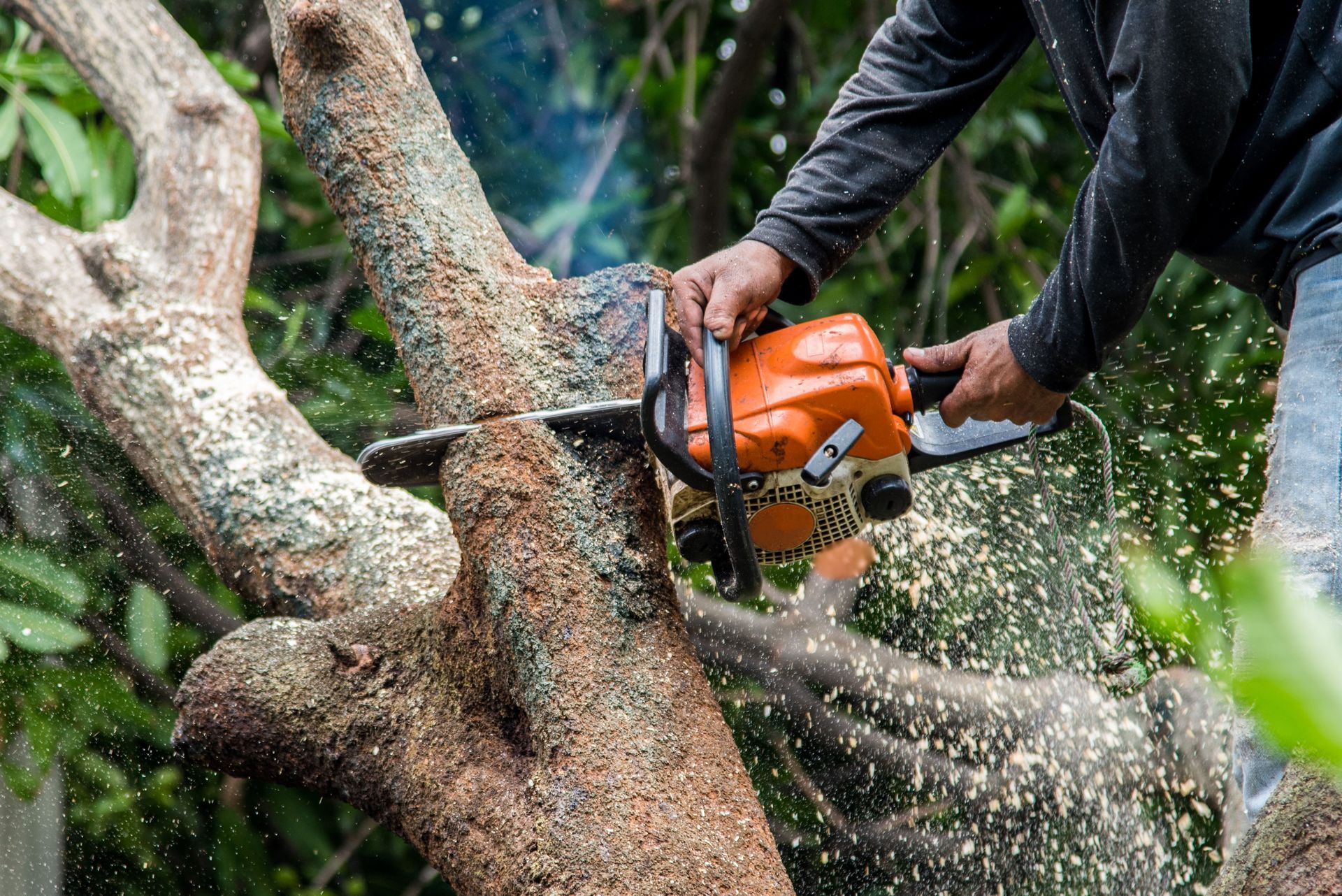
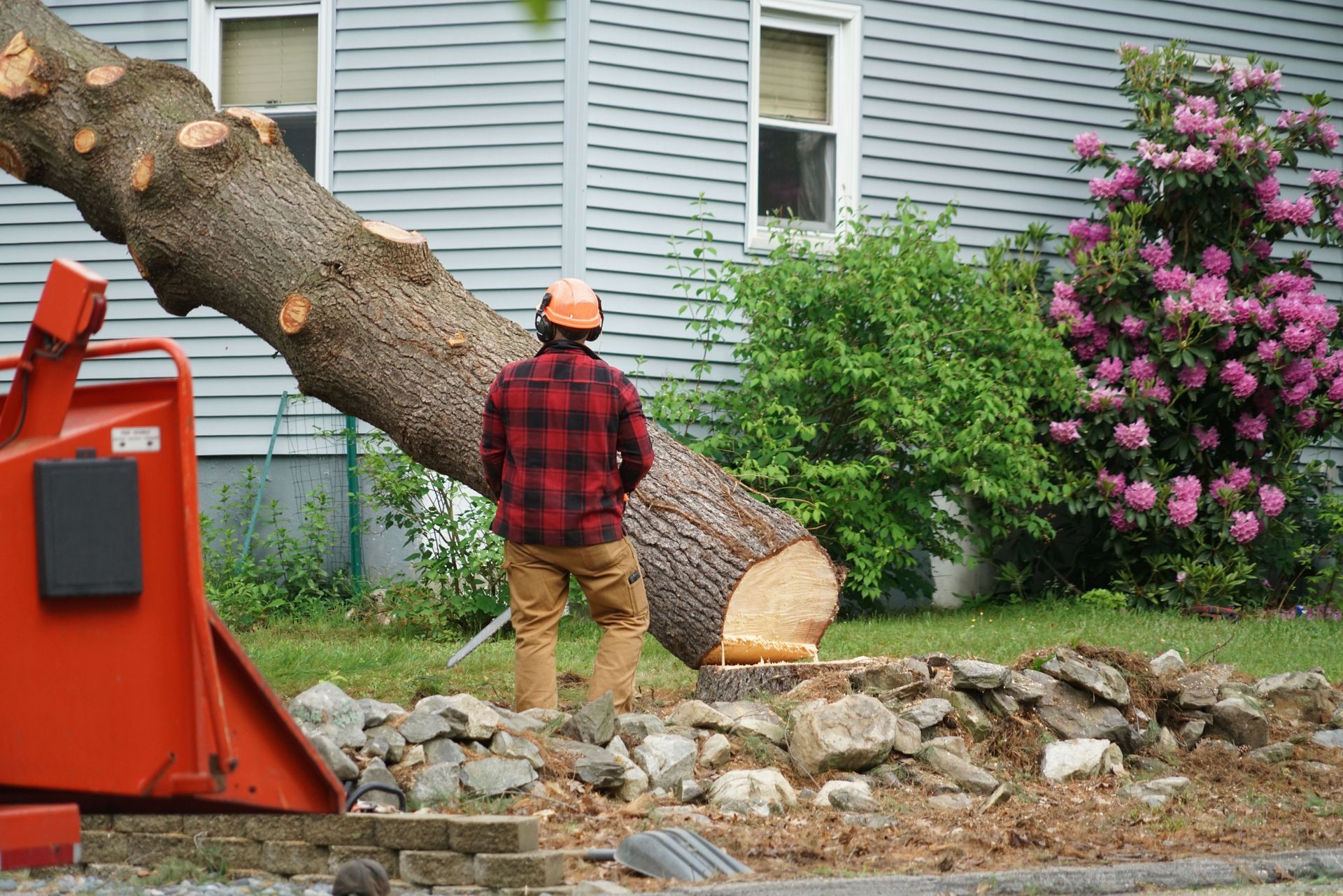
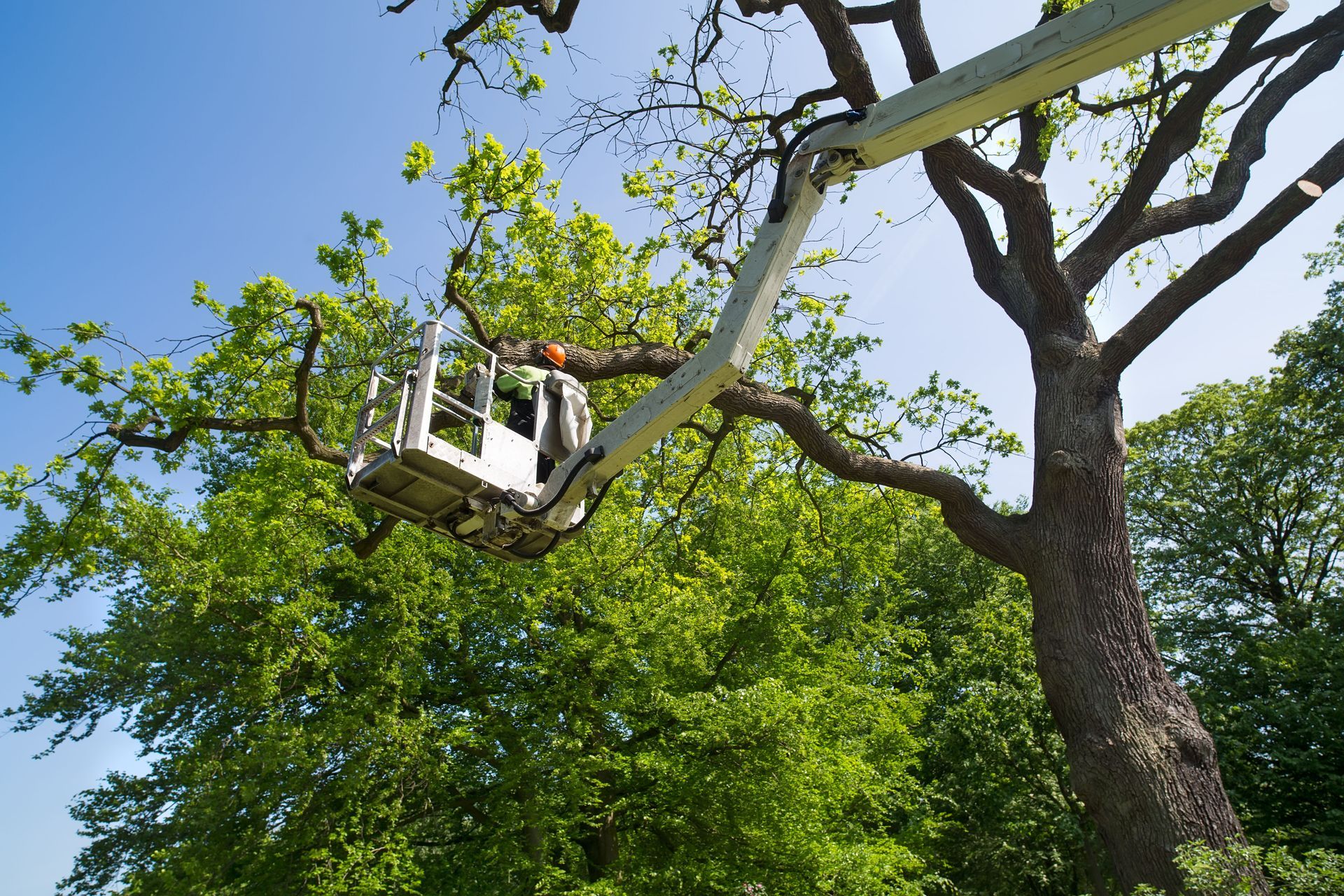
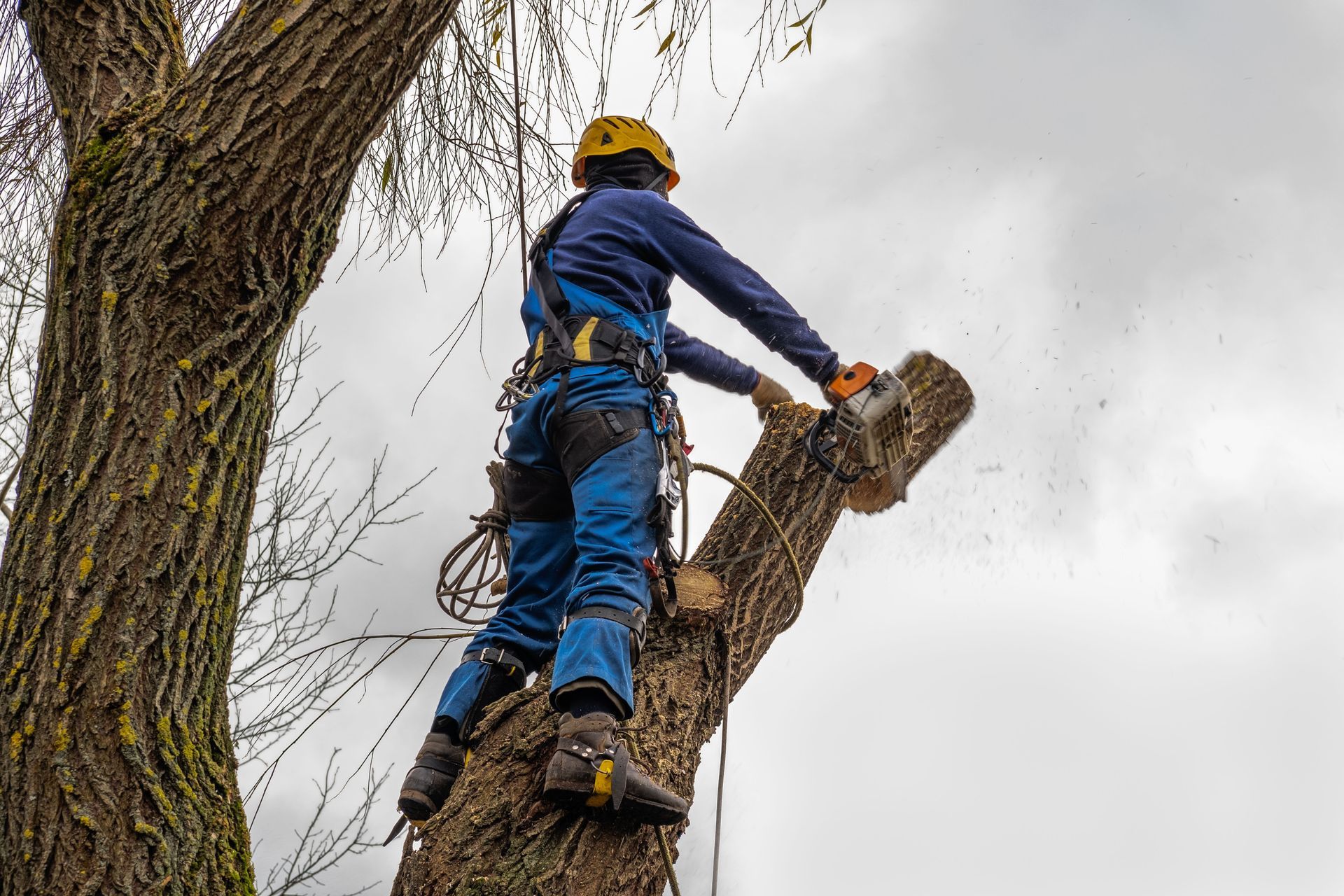
Tree removal poses significant safety concerns, necessitating strict adherence to precautionary measures. Choosing a professional local arborist for tree removal ensures the process is performed safely and effectively. Professionals employ equipment like cranes and harnesses to manage the risks of falling branches and trunk sections. Safety protocols include ensuring a debris-free environment and maintaining clear communication among team members during the process. Adequate planning prevents potential injuries and property damage. Public safety is a priority, and effective planning and execution of safety measures safeguard all parties involved.
Deciding whether to save or remove a diseased tree involves a comprehensive analysis of its health, structural integrity, and ecological value. The decision requires balancing safety concerns, historical significance, and economic considerations with sustainable practices and community engagement. Understanding tree diseases and employing integrated management solutions can preserve urban forests and enhance environmental resilience. Seek guidance from an experienced
local arborist. Call Greentree today.